
Hungarian New Year’s Eve Traditions and Foods: What Do Hungarians Eat?
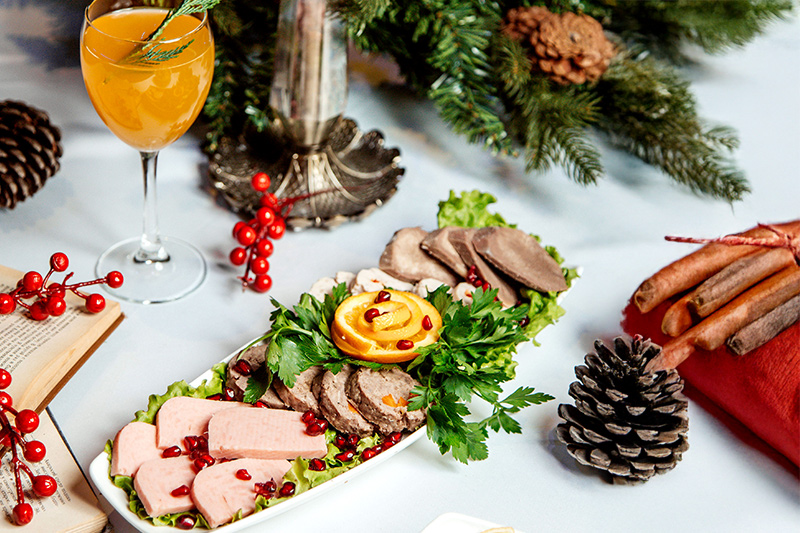
What do Hungarians eat to welcome the New Year? Lentils, pork, sausages, a hearty bowl of korhelyleves and, of course, a glass of sparkling wine at midnight. Food plays an important part in Hungarian New Year’s Eve celebrations, and many of the dishes served around this time are connected to old traditions and good-luck superstitions.
According to Hungarian folklore, what you eat on 31 December and 1 January can influence your fortune in the year ahead. Lentils are believed to bring wealth, pigs are said to dig up good luck, while chickens can scratch it away. These beliefs are not taken too seriously by everyone today, but they still influence what appears on many Hungarian New Year’s tables.
If you’re spending New Year’s Eve in Budapest, learning about these traditions is a fun way to get to know the local culture. Here’s a guide to the most popular Hungarian New Year’s foods, the stories behind them and some of the customs that make the end of the year special in Hungary.

Why Is Food So Important on New Year’s Eve in Hungary?
In Hungarian folklore, the transition from one year to the next is associated with numerous traditions and superstitions. People once believed that the food they ate, the things they did and even the state of their homes on the first day of the year could influence the months ahead.
This is why traditional New Year’s meals were not chosen at random. Certain ingredients were thought to bring wealth, health and prosperity, while others were avoided because they were believed to carry good fortune away. Some of these customs have changed over time. Alongside traditional pork dishes and lentils, modern celebrations often feature easy-to-prepare party food, cold platters and sausages. Still, the idea behind the meal remains familiar: welcome the New Year with plenty of food, good company and a little extra luck.
What Do Hungarians Eat on New Year’s Eve?
Frankfurters with Mustard: A New Year’s Eve Classic
If there’s one food that many Hungarians associate with New Year’s Eve, it’s frankfurters, usually served hot with mustard and fresh bread or bread rolls. They’re easy to prepare, convenient for larger gatherings and perfect for a casual celebration at home. Around midnight, after the champagne toast, it’s quite common for someone to bring out a plate of freshly heated sausages.
Unlike lentils and pork, frankfurters are more of a modern New Year’s Eve favourite than an ancient good-luck tradition. Their popularity comes from being practical party food that can be served quickly and shared with friends and family. There are several varieties to choose from, including pork and poultry sausages, traditional Wiener-style frankfurters and more premium versions. For a simple taste of a Hungarian New Year’s Eve, try them with mustard and fresh bread.
Lentils: The Traditional Food for Wealth and Prosperity
Lentils are probably the best-known New Year’s food in Hungary. According to tradition, eating lentils on 1 January will bring money and financial success throughout the coming year. The reason is easy to understand: the small, round lentils resemble coins, making them a symbol of wealth and abundance. Similar beliefs are associated with other small legumes, including beans and peas.

Photo source and credit – Nosalty
One of the most popular ways to serve lentils is lencsefőzelék, a thick Hungarian lentil stew. It is usually seasoned with bay leaves and mustard, and often finished with sour cream. It is commonly served with fried sausages, smoked meat or roast pork. Lentil soup is another popular option, especially for those who prefer something lighter for New Year’s Day lunch. Whether you choose soup or stew, the tradition is the same: a bowl of lentils is supposed to give your finances a healthy start.
Roast Pork: Let the Pig Dig Up Your Good Luck
Pork is another important part of Hungarian New Year’s food traditions. According to folklore, pigs dig forward with their snouts, symbolically bringing good luck and prosperity into the new year.
This is why roast suckling pig, pork roast, sausages and other pork dishes are popular around 31 December and 1 January. A roast pig with crispy skin is a particularly festive option, although roast pork loin or pork knuckle are also common choices. The pig’s forward movement represents progress and the arrival of good fortune. It is one of the best-known explanations for why pork has such a prominent place on the Hungarian New Year’s table.
Korhelyleves: A Hearty Soup for the Morning After
Korhelyleves is a traditional Hungarian soup often associated with the first day of January. It is rich, slightly sour and usually made with sauerkraut, smoked meat and sausage, often finished with sour cream. The name comes from the Hungarian word korhely, referring to someone who enjoys drinking and partying. It’s therefore closely associated with the long celebrations of New Year’s Eve and the meal that follows.
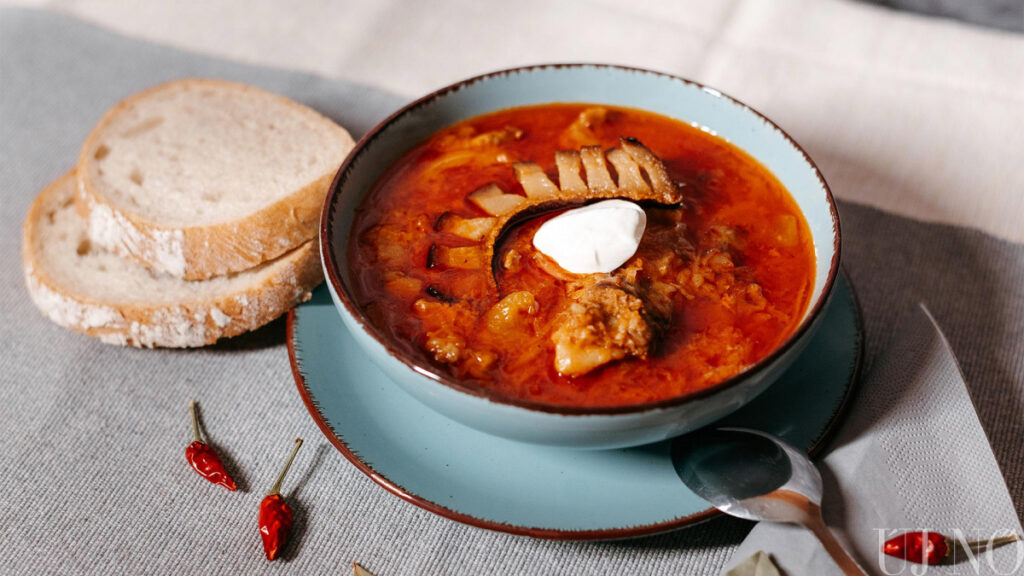
Photo source and credit – Új Nő
Recipes vary between households and regions. Some versions contain plenty of smoked pork and sausage, while others put more emphasis on the sauerkraut. The result is always a hearty soup with a distinctive, tangy flavour. It is often considered a comforting meal after a late night, especially when the New Year’s celebrations have carried on until the early hours. If you’re curious about traditional Hungarian winter food, korhelyleves is definitely worth trying.
Stuffed Cabbage and Other Festive Dishes
Stuffed cabbage is not exclusively a New Year’s dish. It is one of Hungary’s best-known winter comfort foods and is often served at Christmas and family celebrations throughout the colder months.
The dish consists of seasoned minced meat wrapped in cabbage leaves, usually cooked slowly with sauerkraut and served with sour cream. It is filling, full of flavour and often prepared in a large pot, making it practical for family gatherings. Other popular dishes around New Year’s Eve include grilled sausages, roasted meats, cold platters and homemade savoury pastries. The exact menu varies from family to family, but generous portions and plenty of food are a familiar part of the celebration.
What Should You Avoid Eating on New Year’s Day?
Alongside the foods believed to bring good luck, Hungarian folklore also has a few dishes that are traditionally avoided on 1 January. These customs are mostly connected to the way certain animals move or behave.
Chicken and Other Poultry
According to an old superstition, chickens scratch backwards and take good luck away with them. While pigs are believed to dig up fortune, poultry supposedly scratches it out of the household. The same belief can apply to turkey and duck, so pork is traditionally the more popular choice for New Year’s meals.
Of course, these days most people treat this as a fun tradition rather than a strict rule. Still, if you look at a traditional Hungarian New Year’s menu, pork is much more likely to appear than chicken.
Fish: Don’t Let Your Luck Swim Away
Fish is another food that some Hungarians prefer to avoid on New Year’s Day. According to one popular superstition, eating fish means your good luck might swim away with it. This is an interesting contrast with Christmas, when fish soup and fried fish are common dishes in many Hungarian households. Once the New Year arrives, lentils and pork tend to take centre stage instead.

Hungarian New Year’s Traditions Beyond Food
Food is only one part of the celebration. The end of the year is also connected to a variety of customs intended to attract good fortune, keep away bad luck and make a fresh start.
Champagne at Midnight
Opening a bottle of champagne or sparkling wine at midnight is a familiar part of New Year’s Eve in Hungary. As the clock strikes twelve, people raise their glasses, wish each other Boldog új évet! (Happy New Year!) and toast with family, friends or whoever they happen to be celebrating with.
Champagne has become closely associated with the festive atmosphere and the idea of welcoming a prosperous new year. While the custom is not uniquely Hungarian, it is an established part of celebrations across the country.
Making Noise and Watching Fireworks
Making noise at the turn of the year has much older roots than modern fireworks. According to folk beliefs, loud sounds and bright lights were meant to scare away evil spirits and bad luck, clearing the way for a fresh start. In the past, people in Hungarian villages walked through the streets making noise with bells, horns, pots and other household objects. Today, fireworks, party horns and firecrackers have largely taken over this role.
Lucky Pigs and Four-Leaf Clovers
Around New Year’s Eve, you’ll often see decorations featuring pigs, horseshoes and four-leaf clovers. These are all popular symbols of good luck and prosperity. Small lucky charms are also common gifts and decorations. The pig is particularly fitting for the occasion, as it represents abundance and progress in the year ahead.
What Should You Avoid Doing on 1 January?
Hungarian New Year’s superstitions are not limited to food. Several everyday activities are traditionally considered unlucky on the first day of the year. One common belief says that you should not take out the rubbish on 1 January, as doing so could mean throwing away your good fortune along with it.
Washing clothes and cleaning are also traditionally avoided in some households. Other beliefs suggest that lending or borrowing money on New Year’s Day could bring financial difficulties in the months ahead.
Most people today treat these customs as interesting folklore rather than rules to follow, but they make for good conversation around the dinner table.
How Do Hungarians Celebrate New Year’s Eve?
There is no single way to celebrate New Year’s Eve in Hungary. Some people prefer a quiet evening at home with family, while others meet friends, book a restaurant, attend a concert or head to a party. At home, the evening often revolves around a shared dinner, sausages, savoury snacks and sparkling wine. At midnight, everyone raises a glass, wishes each other a happy New Year and watches the fireworks before the celebrations continue.
Budapest offers plenty of ways to spend the evening, from bars and restaurants to clubs and organised events. If you’re looking for something a little different, you can even welcome the New Year on the Danube. A dinner cruise combines the illuminated Budapest skyline with a festive meal and music on board. It’s a convenient way to enjoy the city’s views and celebrate without having to move between a restaurant and a separate party venue.
Photo source and credit – interfood
Frequently Asked Questions About Hungarian New Year’s Food and Traditions
What do Hungarians eat on New Year’s Day?
The most traditional choices include lentil soup or stew and various pork dishes. Lentils are believed to bring wealth, while pork symbolises good luck and prosperity. Many families also prepare korhelyleves after the New Year’s Eve celebrations.
Why do Hungarians eat lentils on 1 January?
Lentils resemble small coins, so they are associated with money and financial prosperity. According to tradition, eating them on New Year’s Day will bring wealth in the year ahead.
Why do Hungarians eat pork on New Year’s Eve?
According to Hungarian folklore, pigs dig forward with their snouts, symbolically bringing good luck into the new year. This is why roast pork, sausages and other pork dishes are popular around New Year’s Eve and New Year’s Day.
Why shouldn’t you eat chicken on New Year’s Day in Hungary?
An old superstition says that chickens scratch backwards and take good luck away. For this reason, some Hungarians avoid chicken and other poultry on the first day of the year.
What is korhelyleves?
Korhelyleves is a traditional Hungarian soup made with sauerkraut, smoked meat and sausage. It has a rich, slightly sour flavour and is often eaten on New Year’s Day, especially after a long night of celebrations.
What do Hungarians eat at midnight on New Year’s Eve?
Frankfurters with mustard and bread are among the most popular choices. Many people enjoy them after the midnight champagne toast, although the exact food depends on the household and celebration.
Get a Taste of Hungarian New Year’s Traditions
Hungarian New Year’s food is about more than just what’s on the plate. Lentils represent wealth, pork brings good luck, champagne marks the celebration and a shared meal brings friends and family together.
Whether you start 1 January with a bowl of lentil stew or spend the final hours of the year enjoying sausages and sparkling wine, these traditions offer an interesting glimpse into Hungarian festive culture.
And if you’re spending New Year’s Eve in Budapest, why not combine a taste of local traditions with a special evening out? From a traditional dinner to a celebration on the Danube, there are plenty of ways to make the last night of the year memorable.


