
Budapest in Winter: Best Things to Do, Attractions and Experiences
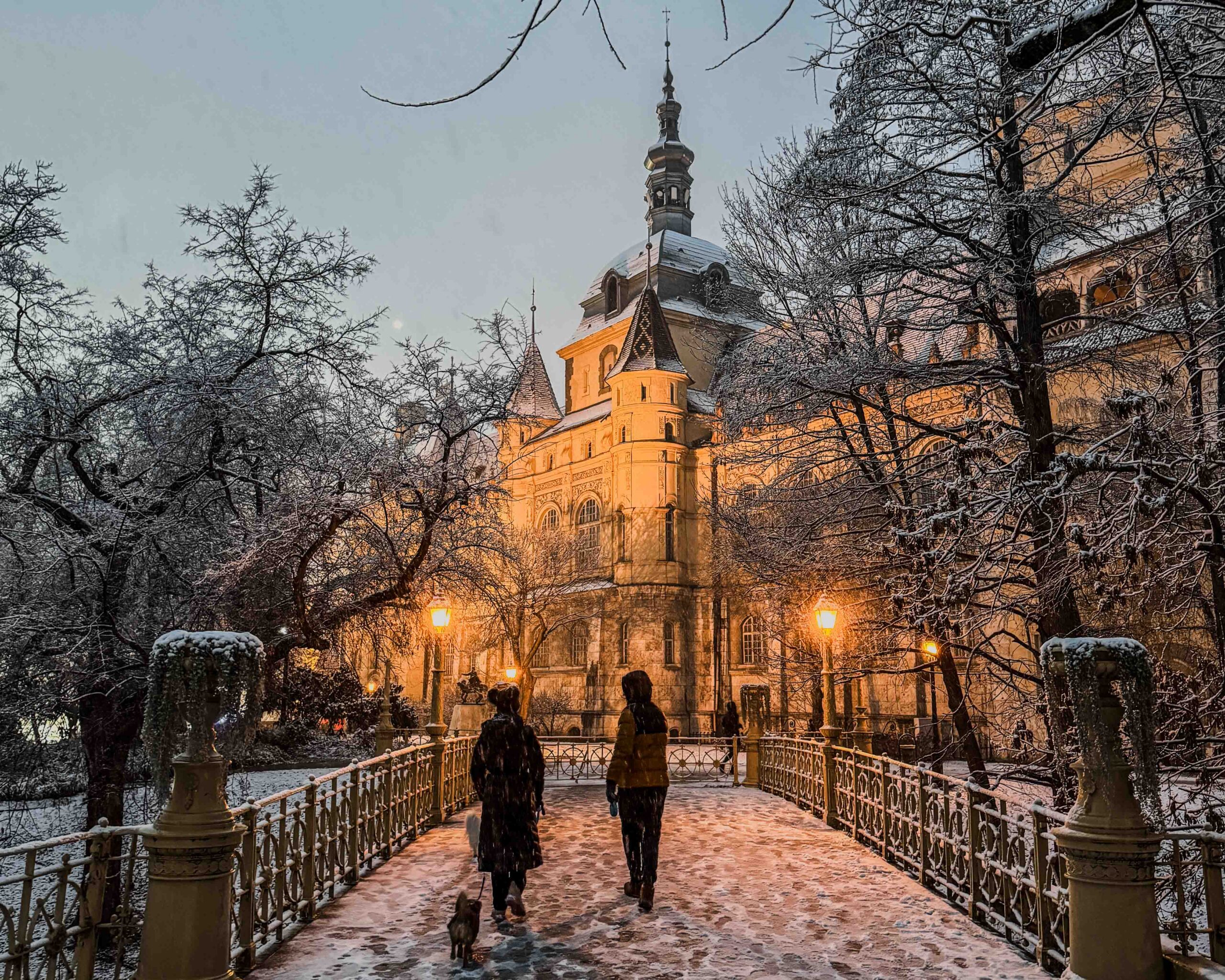
Budapest is a beautiful city in every season, but winter brings a different kind of charm to the Hungarian capital. The historic streets take on a quieter atmosphere, the bridges and landmarks shine after dark, and the city’s famous thermal baths become even more inviting when the temperatures drop. Add Christmas markets, outdoor ice skating, traditional cafés and plenty of cultural attractions, and there is no shortage of reasons to visit.
Whether you are planning a weekend city break or spending several days in Budapest, the colder months offer plenty to explore. You can start the morning with a walk through the historic city centre, spend the afternoon relaxing in a thermal bath, and finish the day with dinner overlooking the Danube. And if the weather does not cooperate, there are plenty of museums, cafés and indoor experiences to choose from.
Here is our guide to some of the best things to do in Budapest in winter, including the city’s most popular attractions, local favourites and a few ideas for making the most of your visit.
1. Relax in Budapest’s famous thermal baths
If there is one experience that belongs on every winter itinerary in Budapest, it is a visit to one of the city’s historic thermal baths. Hungary has a long bathing culture, and Budapest is particularly well known for its natural thermal springs and impressive bathhouses. When the weather turns cold, spending a few hours in warm mineral-rich water is hard to beat. The most famous is Széchenyi Thermal Bath, located in City Park (Városliget). Its grand Neo-Baroque architecture, yellow façades and outdoor pools have become one of Budapest’s most recognisable sights. Winter is a particularly memorable time to visit. Imagine sitting in a steaming outdoor pool while the cold air surrounds you, with the beautiful historic building rising in the background. Inside, you will also find several thermal pools, saunas and steam rooms.

Photo by Norbert Lepsik – @norbertlepsik
On the Buda side of the river, at the foot of Gellért Hill, Rudas Thermal Bath offers a different atmosphere. Dating back to the Ottoman period, its historic Turkish bath features an octagonal pool beneath a traditional domed ceiling. The modern wellness section is another highlight, especially its rooftop pool, which offers beautiful views across the Danube and the Pest skyline. For a more local atmosphere, consider visiting Lukács Thermal Bath, close to the Buda end of Margaret Bridge. It has a long history and is popular with Budapest residents who come for its thermal waters, swimming pools and wellness facilities. It may not be as grand as Széchenyi, but that is part of its appeal.
Local tip: The most popular baths can get busy, especially on weekends and during the Christmas and New Year period. Check current opening hours, ticket options and any special admission rules before your visit.
2. Explore Budapest’s Christmas markets and festive streets
Winter in Budapest would not be complete without a visit to its Christmas markets. From the second half of November, several central squares fill with festive decorations, wooden stalls, handmade gifts and the smell of traditional Hungarian treats. It is one of the most enjoyable ways to experience the city during the holiday season. One of the best-known markets takes place at Vörösmarty Square (Vörösmarty tér), right in the heart of the city. The square is surrounded by historic buildings, cafés and shops, making it a lovely place to stop during a day of sightseeing. Browse the stalls for handmade decorations and local crafts, or try some Hungarian street food with a glass of mulled wine.
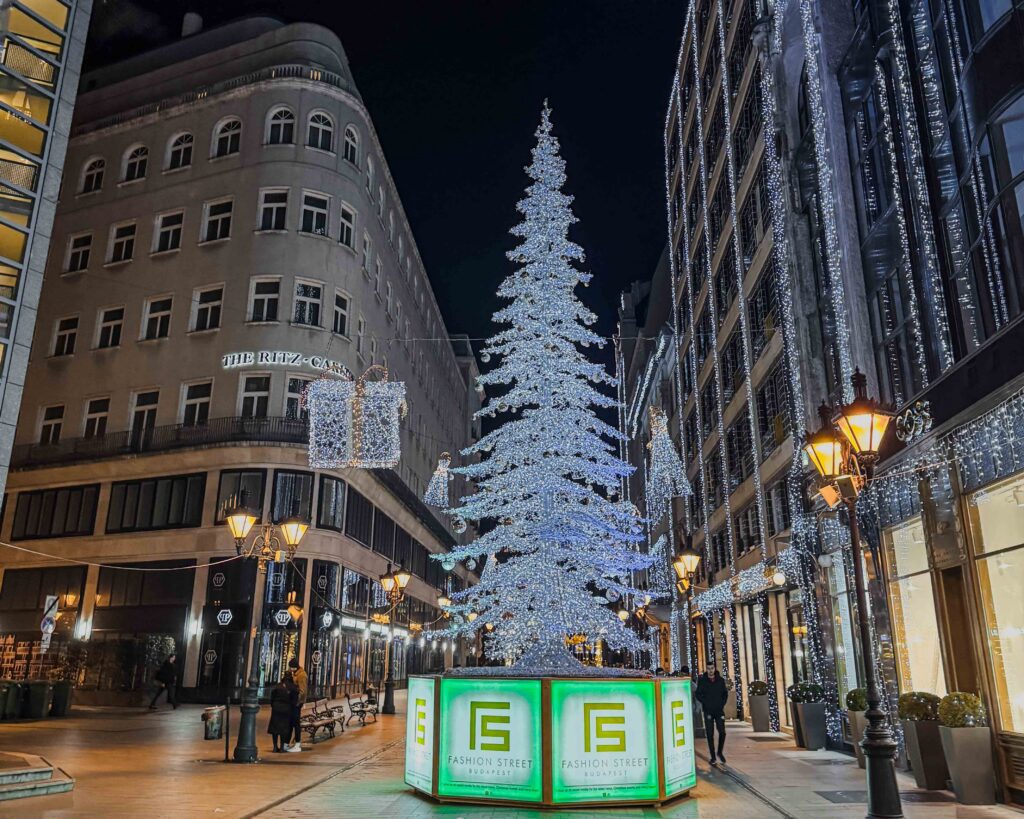
Photo by Norbert Lepsik – @norbertlepsik
Another highlight is the Advent Basilica market, held in front of St. Stephen’s Basilica (Szent István-bazilika). The impressive church façade provides a beautiful backdrop for the festive stalls, while evening light projections add another layer to the experience. It is well worth visiting after sunset, when the entire square is illuminated. For an extra festive walk, head towards Andrássy Avenue. This elegant boulevard is lined with grand historic buildings, embassies and boutiques, and its seasonal decorations make it particularly attractive in December. Continue towards Heroes’ Square and City Park if you have time for a longer stroll. The markets usually run from mid-November into early January, although opening dates and individual schedules vary each year. Check the current season’s information before planning your visit.
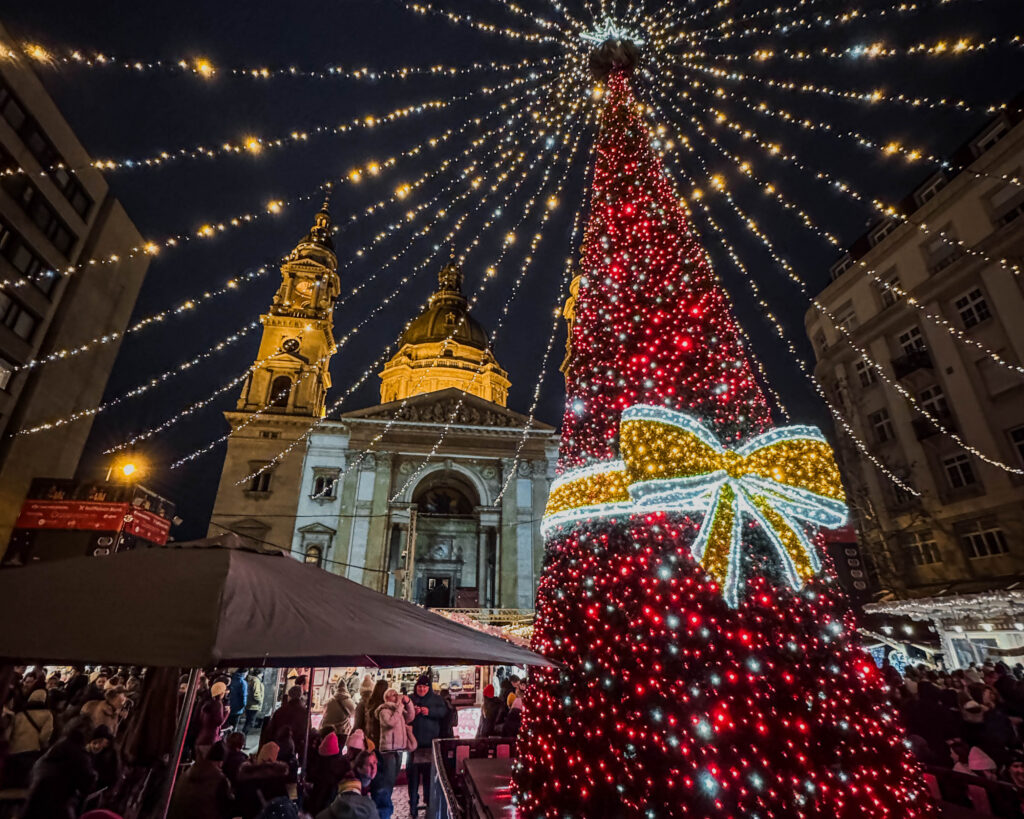
Photo by Norbert Lepsik – @norbertlepsik
3. Go ice skating at City Park Ice Rink
Few winter activities in Budapest come with a setting quite like City Park Ice Rink (Városligeti Műjégpálya). Located next to the beautiful Vajdahunyad Castle and a short walk from Heroes’ Square, it is one of the city’s most popular seasonal attractions. The combination of the large outdoor rink, historic architecture and surrounding park makes this a memorable place to spend a winter afternoon. During the day, the castle’s towers create a picturesque backdrop. In the evening, the illuminated buildings add an extra touch to the atmosphere.
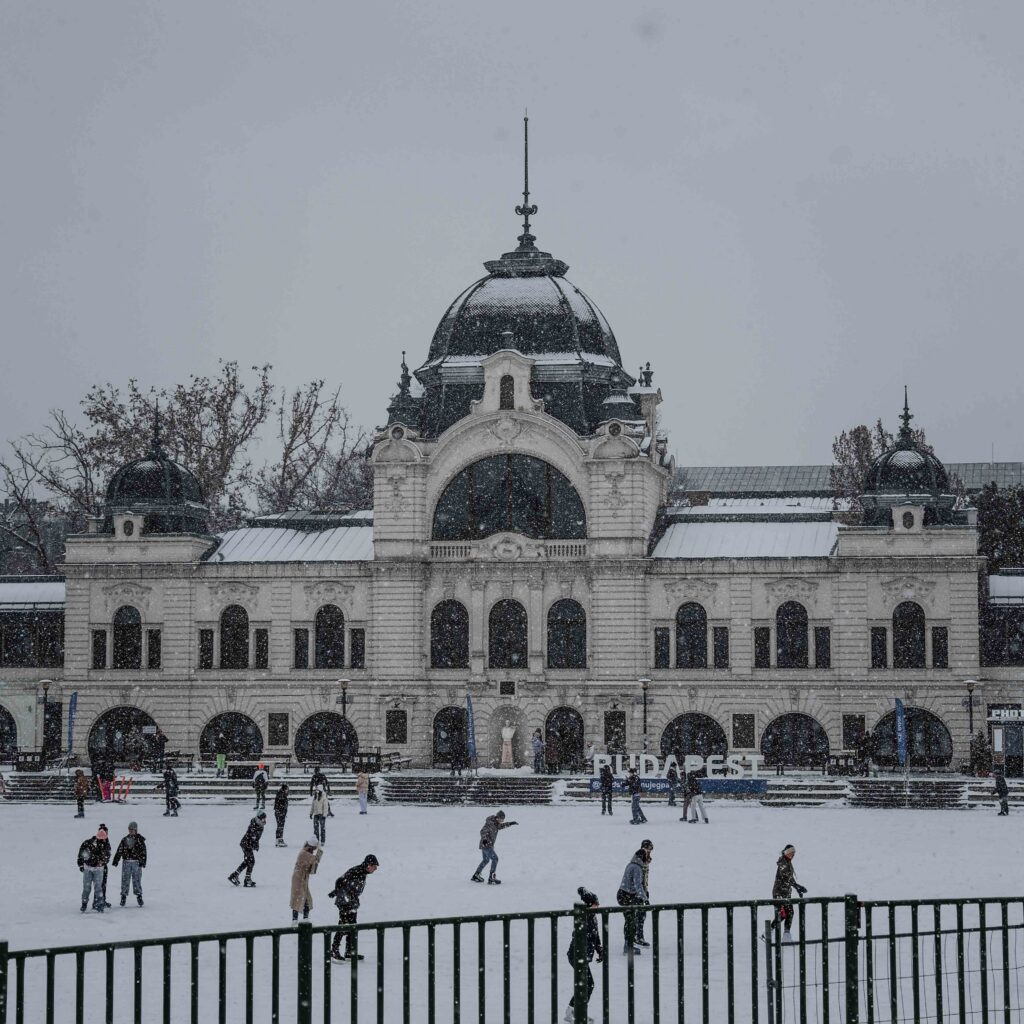
Photo by Norbert Lepsik – @norbertlepsik
The rink welcomes both beginners and experienced skaters, and skate rental is generally available. If you are visiting Budapest without your own equipment, you can still enjoy the experience, although it is worth checking the current rental arrangements in advance. One of the best ways to plan your visit is to combine skating with a walk through City Park or a trip to nearby Széchenyi Thermal Bath. After spending time on the ice, a warm thermal pool is a rather appealing next stop.
4. Discover the winter views from Buda Castle District
Buda Castle District is one of the most beautiful parts of Budapest throughout the year, but winter gives its historic streets and squares a different atmosphere. The cobbled lanes, old façades and quiet courtyards are particularly enjoyable to explore during the colder months, especially once the Christmas crowds have passed. Start around Fisherman’s Bastion (Halászbástya), one of the most recognisable landmarks in the city. Its Neo-Romanesque towers and terraces offer sweeping views across the Danube towards the Hungarian Parliament Building and the rooftops of Pest. On a clear winter day, the view can be especially impressive.
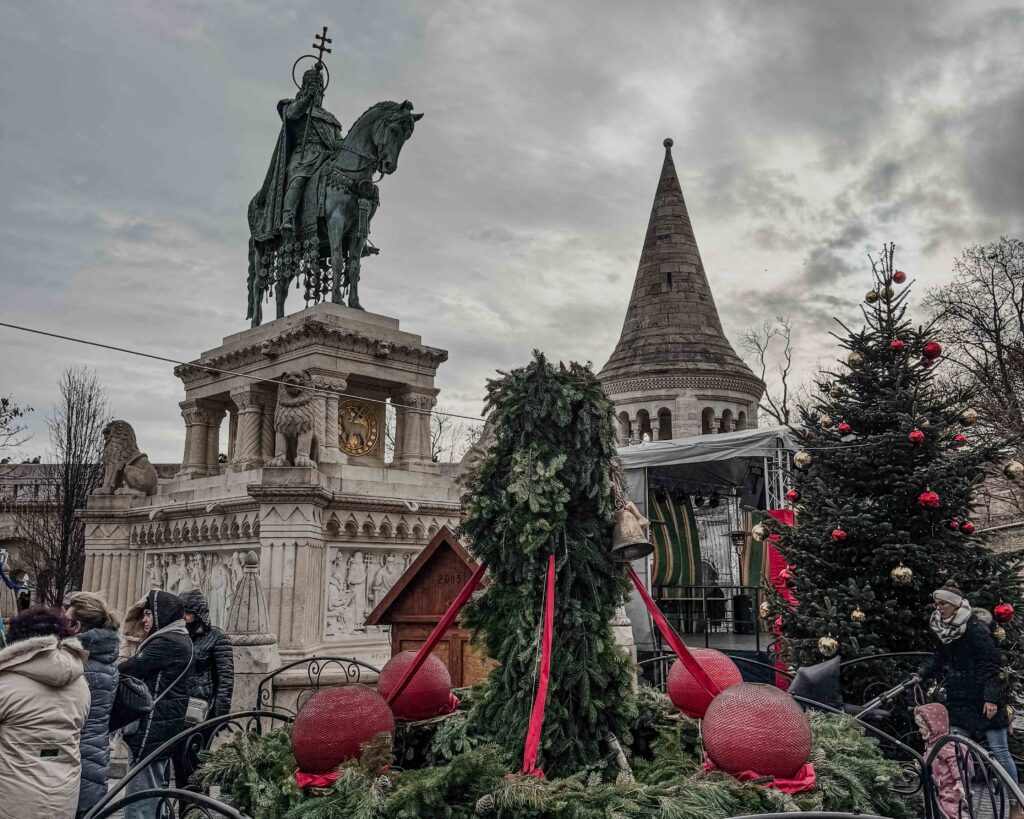
Photo by Norbert Lepsik – @norbertlepsik
Just next door stands Matthias Church (Mátyás-templom), famous for its colourful tiled roof and richly decorated interior. Its distinctive architecture makes it one of the highlights of the Castle District. Continue towards Buda Castle and the former Royal Palace, which now houses several cultural institutions, including the Hungarian National Gallery. The surrounding terraces offer more excellent viewpoints, with the Chain Bridge and the river stretching out below. If you enjoy photography, try visiting in the late afternoon. The low winter sun creates interesting light across the historic buildings, while the city lights begin to come on shortly after sunset.
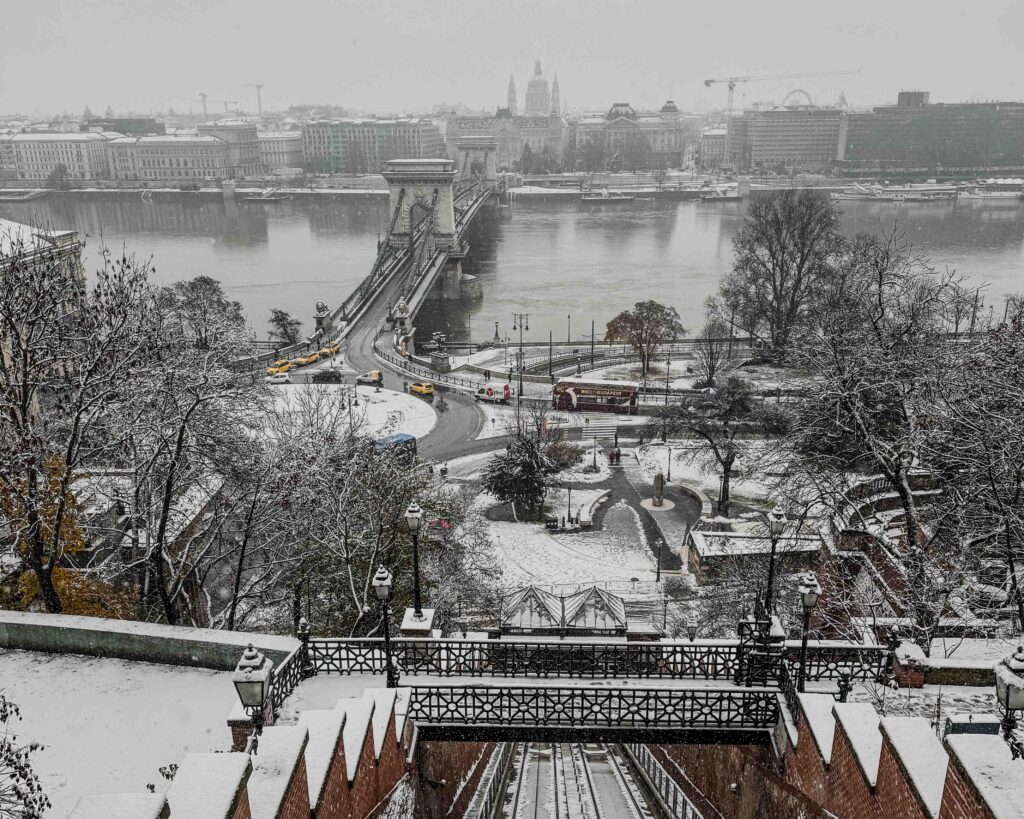
Photo by Norbert Lepsik – @norbertlepsik
5. Walk along the Danube and admire Budapest’s illuminated bridges
The Danube is at the heart of Budapest, and its riverbanks are among the best places to enjoy the city’s architecture. Even in winter, a walk along the waterfront is well worth including in your plans. The views become particularly impressive after dark, when the bridges, Parliament and historic buildings are illuminated. The Chain Bridge (Lánchíd) is a great starting point. From here, you can admire Buda Castle, Gellért Hill and the impressive row of bridges connecting the two sides of the city. On the Pest side, continue towards the Hungarian Parliament Building, one of the most spectacular landmarks along the river.
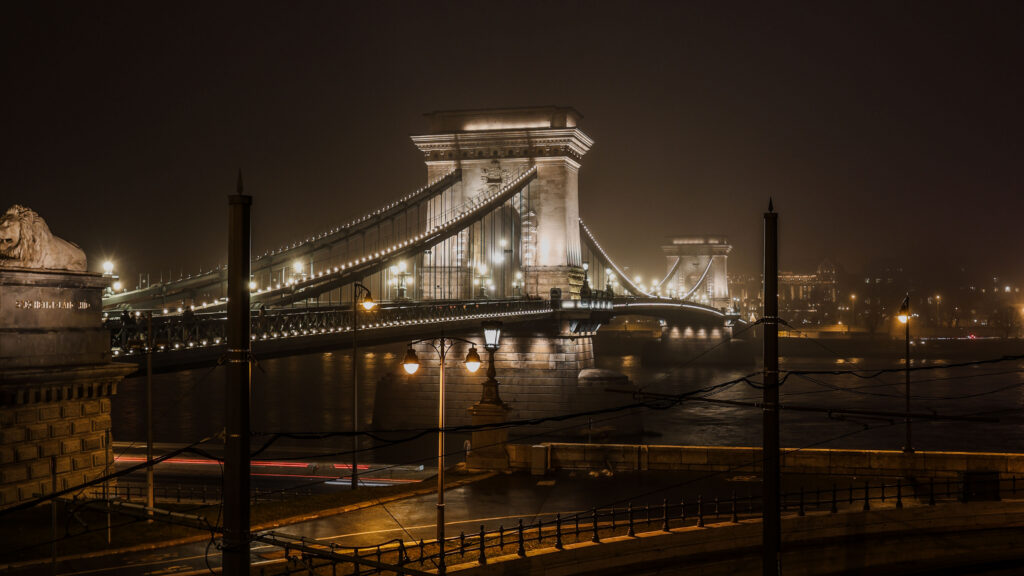
Photo by Norbert Lepsik – @norbertlepsik
The riverside promenade between Kossuth Square and the Chain Bridge offers plenty of excellent photo opportunities. If you have more time, continue towards Elizabeth Bridge (Erzsébet híd) and Liberty Bridge (Szabadság híd), both of which have their own distinctive character. Prefer to enjoy the views without spending too long outside? A sightseeing cruise on the Danube is a great alternative. From the river, you get a completely different perspective of the Parliament, Buda Castle and the illuminated bridges. Many sightseeing boats have enclosed, heated indoor areas, making a cruise an enjoyable option even on colder days.
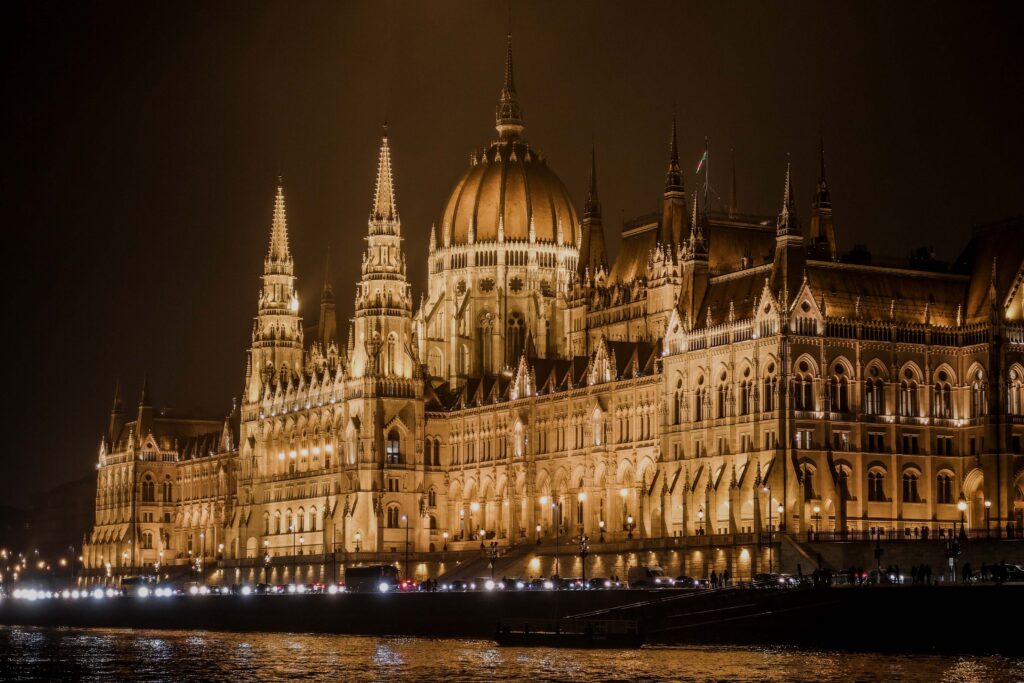
Photo by Norbert Lepsik – @norbertlepsik
6. Spend a cosy afternoon in Budapest’s historic cafés
Budapest has a long-standing coffeehouse tradition. Around the turn of the 20th century, its cafés were important meeting places for writers, journalists, artists and intellectuals. Many of the historic venues have survived, and today they offer visitors a glimpse into the city’s cultural past. New York Café is perhaps the most famous example. Located on Erzsébet Boulevard, its lavish interior features marble columns, gilded details, ornate frescoes and impressive chandeliers. The setting feels more like a grand palace than an everyday coffee shop, making it a memorable stop during a winter visit.
Another classic is Gerbeaud Café, located at Vörösmarty Square. Founded in the 19th century, it is known for its traditional cakes, elegant interiors and long connection with Budapest’s café culture. It is an excellent place to try a slice of classic Hungarian cake with a coffee. For something a little less formal, Centrál Grand Café is another historic favourite. Its elegant interior and central location make it a convenient stop between sightseeing attractions. A visit to one of these cafés is about more than just ordering a drink. Take your time, try a traditional dessert and enjoy a little break from the cold streets outside.
7. Visit Budapest’s museums and cultural attractions
When the weather is particularly cold or rainy, Budapest’s museums and galleries are excellent alternatives to outdoor sightseeing. The city has a varied cultural scene, with collections covering everything from Hungarian history and fine art to contemporary exhibitions. The Hungarian National Gallery, located inside Buda Castle, is one of the country’s most important art institutions. Its collections cover several centuries of Hungarian art, and the building itself is worth visiting for its historic setting and panoramic terraces.
At Heroes’ Square, the Museum of Fine Arts (Szépművészeti Múzeum) houses an impressive collection of international art. Its exhibitions include ancient Egyptian objects, classical sculpture and European paintings. The grand building is also one of the architectural highlights of the square. For contemporary art, Ludwig Museum is a good option. Its exhibitions focus on modern and contemporary works, including Hungarian and international artists. Meanwhile, the Hungarian National Museum offers a closer look at the country’s history, from its early origins to more recent periods. Check the current exhibition programmes and opening hours before visiting, as temporary exhibitions can be a great reason to add a museum to your itinerary.
8. Discover Hungarian food at the Great Market Hall
A visit to Budapest is never complete without trying some local food, and the Great Market Hall (Nagycsarnok) is a good place to start. Located at Fővám Square, near Liberty Bridge, this impressive covered market is one of the city’s most recognisable historic buildings. Opened in the late 19th century, the market hall is worth seeing for its architecture alone. Its large iron structure, colourful roof tiles and spacious interior reflect the architectural style of the period.
Inside, you will find stalls selling Hungarian paprika, sausages, cheeses, pickles, fresh produce and a variety of local specialities. It is also a good place to pick up edible souvenirs or simply get a closer look at everyday Hungarian food culture. If you want to try something while you are there, look out for lángos, a popular Hungarian street food made from deep-fried dough, traditionally served with sour cream and cheese. Other classic dishes worth trying during your visit include goulash soup, chicken paprikash and stuffed cabbage. The market can get busy during peak tourist hours, so visiting earlier in the day is often a good idea. Check its holiday opening schedule if you are visiting around Christmas or New Year.
9. Escape to nature at Normafa
Budapest is not all grand architecture, museums and busy city streets. Thanks to the nearby Buda Hills, it is also easy to find quieter green spaces and walking routes just outside the city centre. Normafa is one of the most popular outdoor destinations among locals. Located in the Buda Hills, this wooded area offers several walking paths and beautiful views across Budapest and the surrounding countryside.
When snowfall arrives, Normafa becomes a favourite spot for sledging and enjoying the winter scenery. Families and locals head here to spend time outdoors, while the surrounding trails are ideal for a peaceful walk. Even without snow, it is a pleasant place to escape the city for a few hours. You can combine your visit with a stop at one of the nearby cafés or food spots, where a hot drink or a bowl of soup is particularly welcome after a walk in the cold. Keep in mind that sledging and other snow-related activities depend on the weather. Snowfall in Budapest is never guaranteed, so it is best to treat these as seasonal extras rather than essential parts of your itinerary.
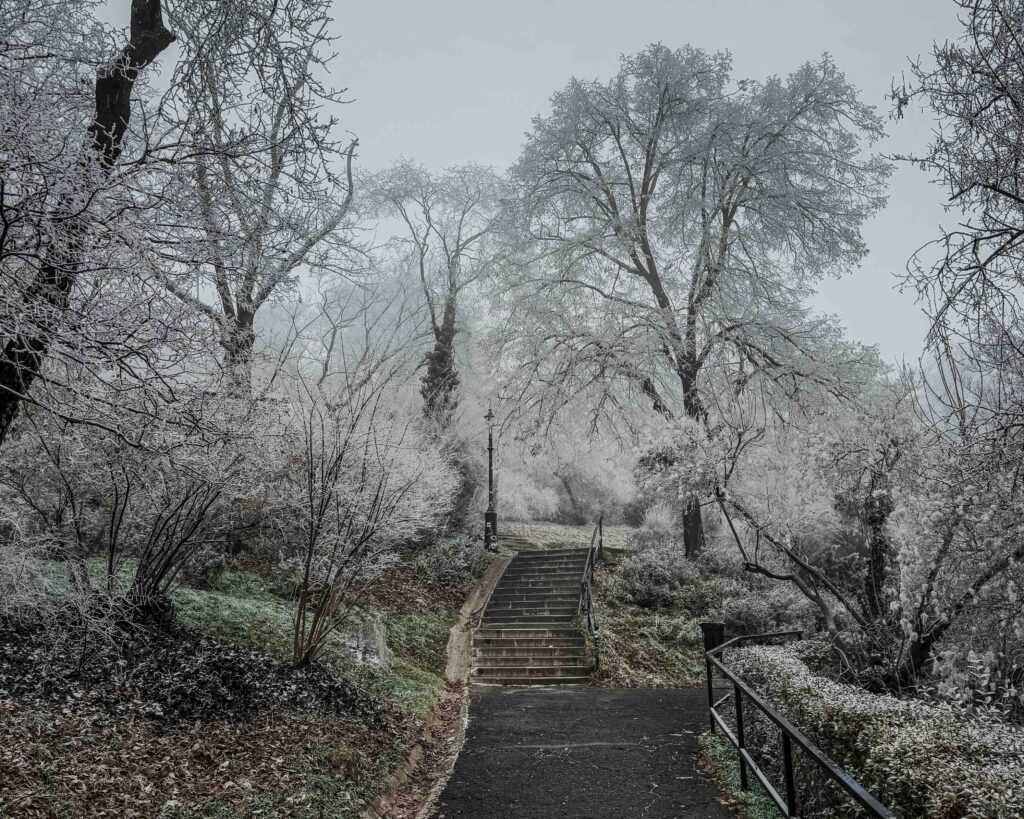
Photo by Norbert Lepsik – @norbertlepsik
10. Try some of Budapest’s lesser-known indoor experiences
Thermal baths and traditional museums are not the only options when it comes to indoor activities. Budapest has plenty of more unusual attractions that are worth considering, especially on a cold or rainy day. The Budapest Pinball Museum (Flippermúzeum) is a fun choice for anyone who enjoys retro games and a little nostalgia. Its collection includes a wide range of pinball machines and arcade games, many of which visitors can actually play. It is a refreshing alternative to a traditional museum visit and works well for couples, friends and families.
For something more visual, Cinema Mystica, located inside the historic Párisi Udvar building near Ferenciek Square, focuses on digital art, light installations and audiovisual experiences. It offers an interesting contrast between the building’s historic architecture and the contemporary artworks inside. Escape rooms are another popular indoor activity in Budapest. There are many different themes to choose from, ranging from historical settings to mystery and puzzle-based experiences. They are particularly good for groups of friends or families looking for something interactive.
11. Enjoy Budapest’s nightlife and a winter Danube cruise
Budapest has plenty to offer after sunset, and winter is no exception. In fact, the earlier sunsets mean you can enjoy the city’s illuminated landmarks without staying out particularly late. The city centre is home to a wide range of cocktail bars, restaurants and traditional pubs. District VII, also known as the Jewish Quarter, is especially popular for its nightlife, with its famous ruin bars, independent venues and lively streets. If you prefer something more relaxed, you will also find elegant wine bars and cosy restaurants throughout the inner districts.
For a more special evening, consider taking a dinner cruise on the Danube. Seeing the Parliament Building, Buda Castle, Gellért Hill and the illuminated bridges from the water is one of the most memorable ways to experience Budapest at night. Depending on the cruise, you can enjoy dinner, drinks and live music while taking in the views. Many boats have heated indoor seating, so you can stay comfortable throughout the trip without missing the city skyline. A winter cruise is also a lovely option for couples, special occasions or anyone looking to add something different to their Budapest visit.
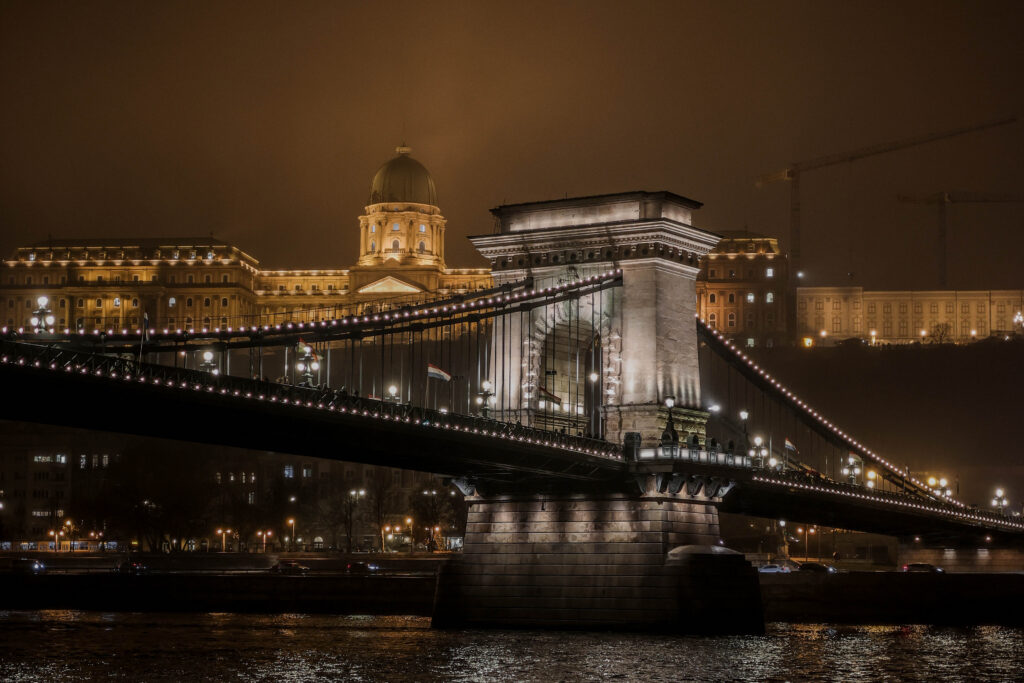
Photo by Norbert Lepsik – @norbertlepsik
12. Why Budapest is worth visiting in winter
Visiting Budapest in winter is a different experience from exploring the city during the summer months. The days are shorter, the temperatures are lower and snowfall is never guaranteed. But the colder season also brings out some of the city’s most memorable experiences. You can spend the morning exploring historic streets, warm up in a thermal bath in the afternoon and finish the day with an evening walk along the illuminated Danube. There are Christmas markets to visit in December, outdoor ice skating to enjoy during the winter season, and historic cafés and museums waiting for you when the weather turns colder.
Whether you are visiting for a long weekend or planning a longer city break, Budapest has plenty to offer beyond the warmer months. Sometimes, all it takes is a warm pool, a good coffee and a beautiful view of the river to make a winter trip memorable.
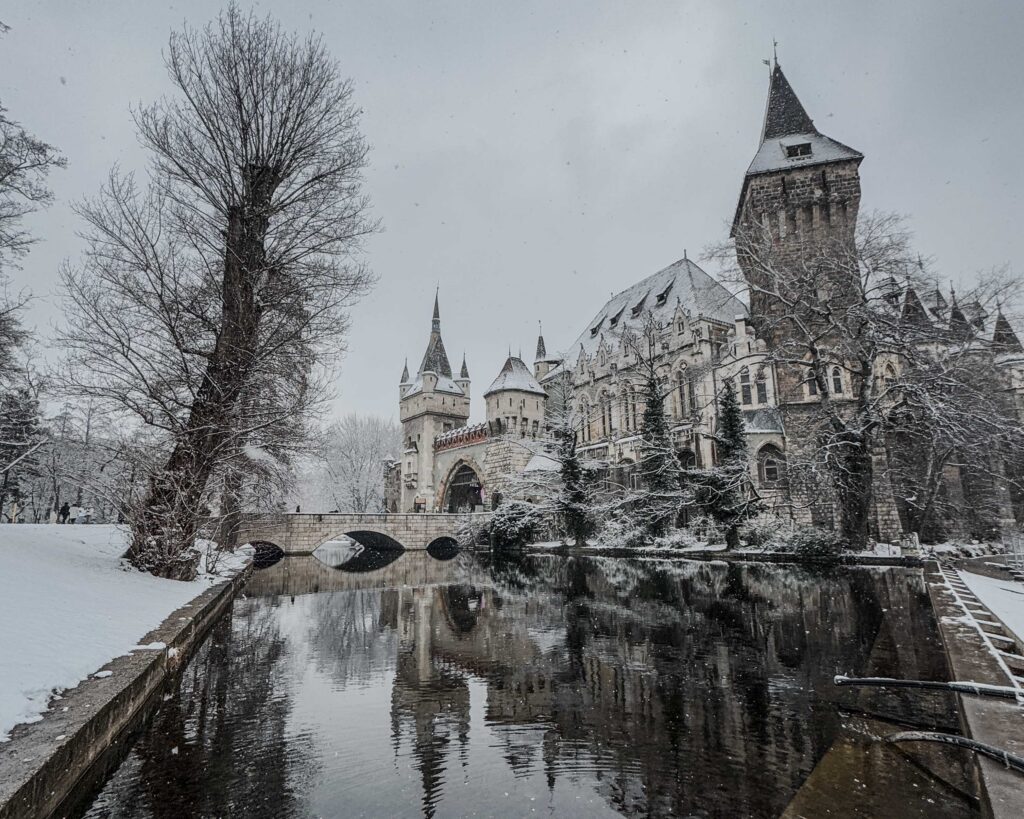
Photo by Norbert Lepsik – @norbertlepsik
Frequently Asked Questions About Visiting Budapest in Winter
Is Budapest worth visiting in winter?
Absolutely. Budapest offers plenty of activities throughout the colder months, including thermal baths, Christmas markets, museums, historic cafés and beautiful evening sightseeing. December is particularly popular for its festive atmosphere, while January and February are generally quieter.
How cold does it get in Budapest during winter?
December, January and February are the coldest months. Daytime temperatures are often a few degrees above freezing, while nighttime temperatures can drop below zero. It is a good idea to pack warm layers, a winter coat, gloves and comfortable, waterproof shoes.
Does it snow in Budapest during winter?
It does snow occasionally, but heavy or lasting snowfall is not guaranteed. Budapest can look particularly beautiful under a fresh layer of snow, although visitors should prepare for cold weather rather than expect a white Christmas.
What are the best things to do in Budapest in winter?
Some of the best winter activities include visiting Széchenyi or Rudas Thermal Bath, skating at City Park Ice Rink, exploring the Christmas markets, walking around Buda Castle District and taking an evening cruise on the Danube.
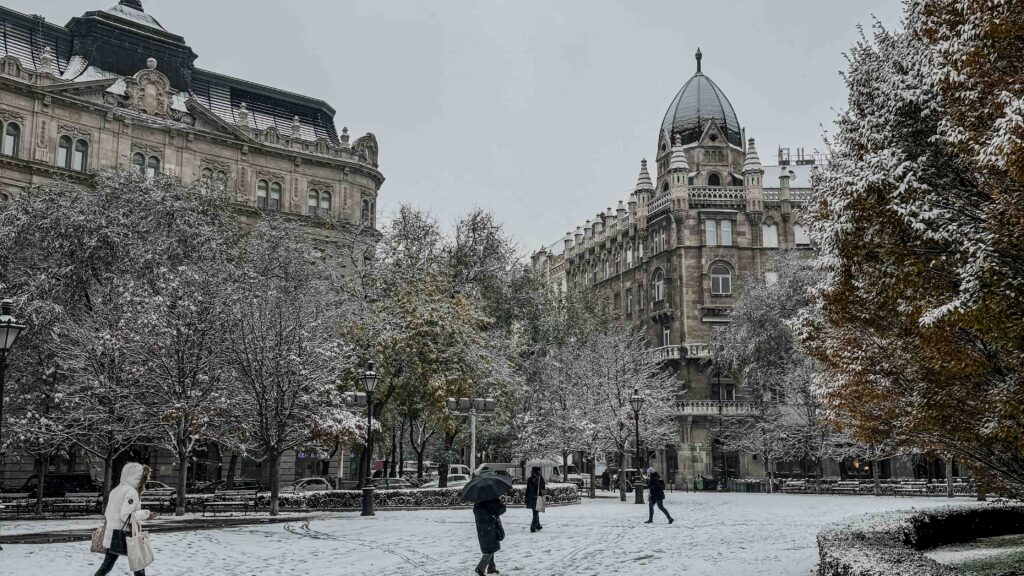
Photo by Norbert Lepsik – @norbertlepsik
What can you do in Budapest on a rainy or very cold day?
There are plenty of indoor activities to choose from. Visit one of the city’s thermal baths, explore its museums and galleries, spend an afternoon in a historic coffeehouse, or try something different such as the Pinball Museum, an escape room or an immersive art exhibition.
How many days do you need to visit Budapest in winter?
Two or three days are enough to see many of Budapest’s main attractions and enjoy a few seasonal activities. If you want to visit several museums, spend time in the thermal baths and explore neighbourhoods outside the city centre, four or five days would be even better.
When is the best time to visit Budapest in winter?
December is ideal if you want to experience the Christmas markets and festive decorations. January and February are good options if you prefer fewer tourists and a quieter city, while still enjoying the thermal baths, museums and indoor attractions.


